
Your Deck, Explained
Before We Cut
A Single Board.
Pressure-treated joists, composite boards torqued to spec, and railings that pass code before the inspector's truck pulls up. We walk you through every phase — footings to finish — before we charge you a dollar.
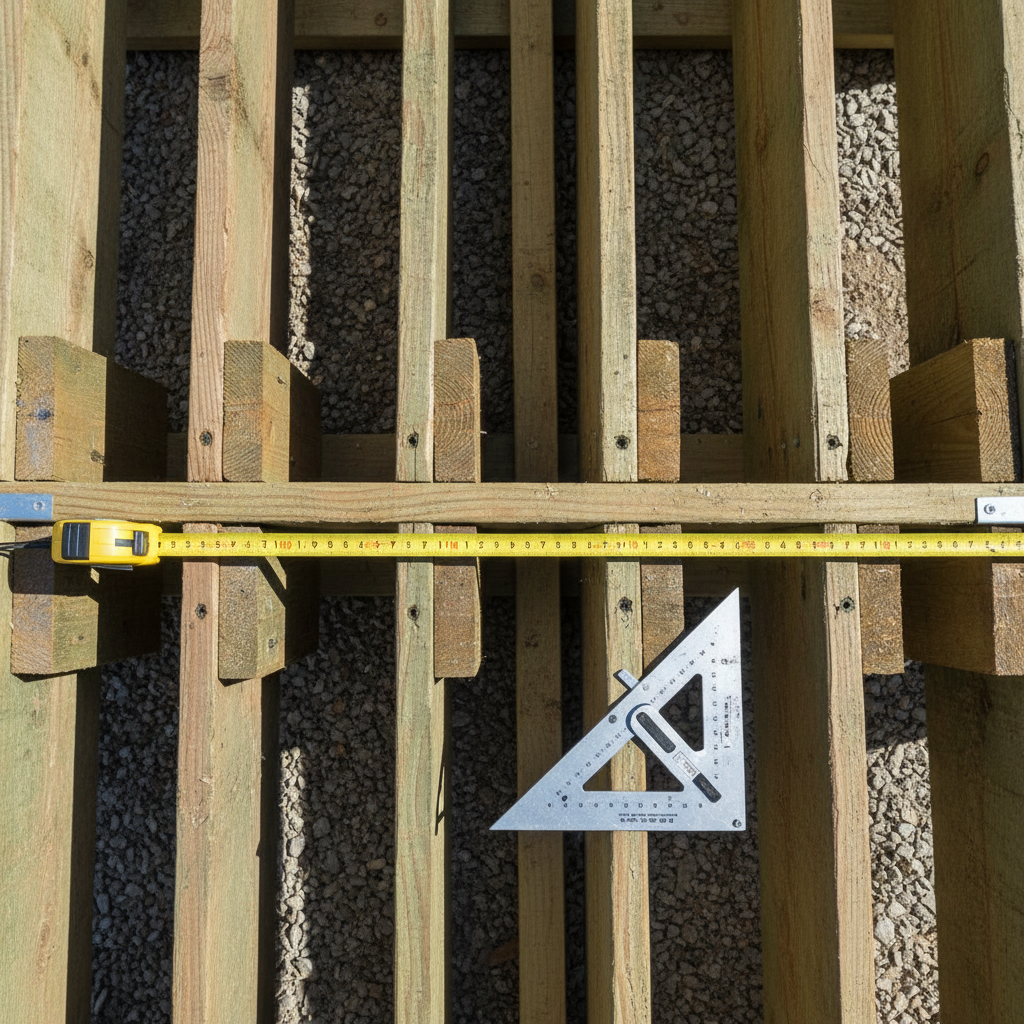
Phase 2 of 5
Structural Framing
Actual job site · Portland, OR
Five phases. Zero surprises.
Scroll through your future build. By the end, you'll know exactly what you're paying for and why each step costs what it costs.
Why frost depth is the first conversation we have.
Before a single joist goes in, we dig. In most of the Pacific Northwest, frost depth runs 12–18 inches — meaning your footing needs to sit below the freeze line or the ground will heave it out over winter. We pull your local frost map, calculate the load, and set tube-form concrete footings at the right depth with post anchors embedded while the concrete is still wet.
- Frost depth varies by county — we check it, not guess it.
- Post anchors set in wet concrete, not surface-mounted.
- Footings sized for your deck's total dead + live load.
- Permit application includes footing specs and layout diagram.
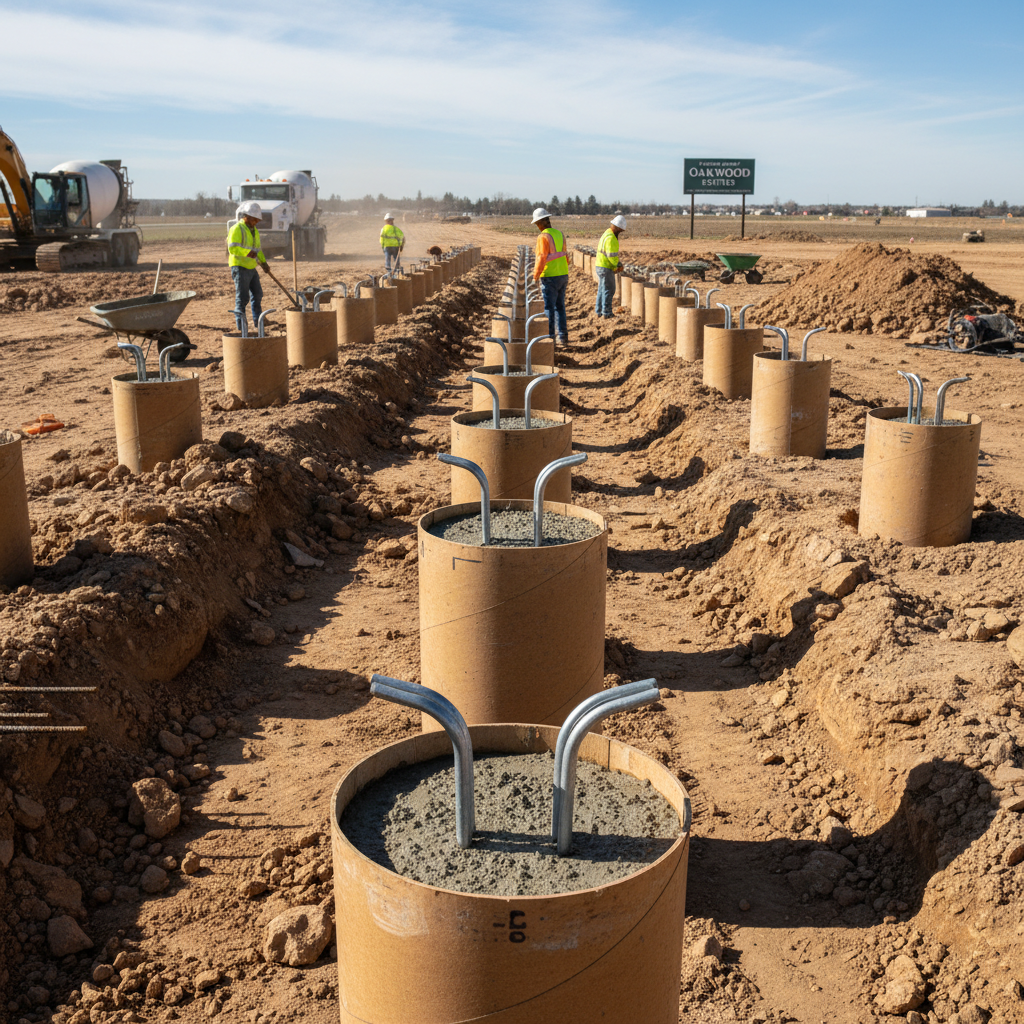
Phase 01 · Excavation & Footings
Footing install · Beaverton, OR
The skeleton everything else depends on.
The framing is what you'll never see once the boards go down — which is exactly why it matters most. We use #2 pressure-treated lumber for all ground-contact members, size the beam span to your load table, and set joists 16 inches on center so composite decking has a solid surface without flex. Every ledger connection to your house gets flashed with metal Z-flashing and sealed — the number one source of rot on existing decks is an unflashed ledger.
- #2 or better pressure-treated for all structural members.
- Beam spans sized to IRC load tables, not approximated.
- Joist hangers on every connection — no toenailing.
- Ledger flashed with Z-flashing + caulked before any board goes on.
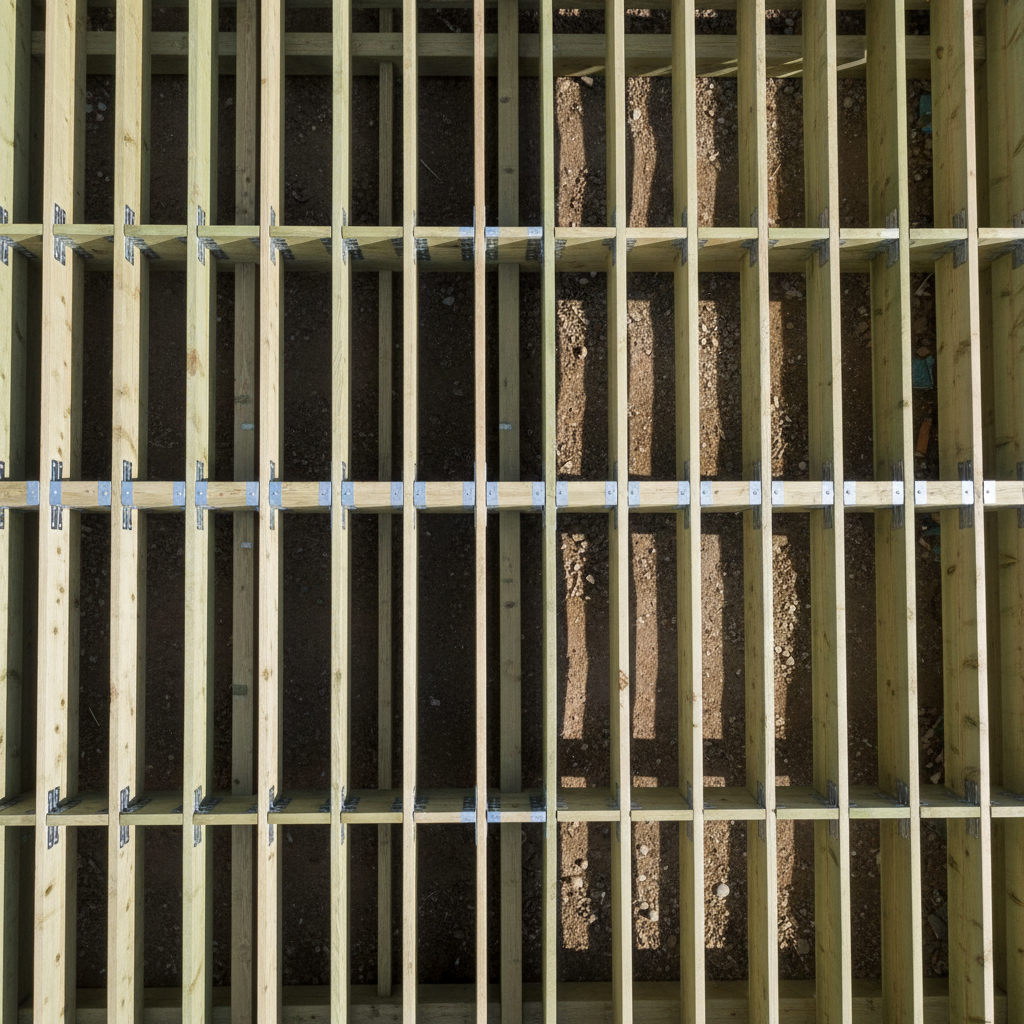
Phase 02 · Structural Framing
Framing complete · Lake Oswego, OR
Composite vs. pressure-treated — the honest comparison.
Pressure-treated costs less upfront ($3–5/sq ft materials) but needs sealing every 2–3 years and will check and silver over time. Composite runs $7–12/sq ft materials but carries a 25-year warranty, never splinters, and stays consistent color. We install both. For families with young kids or retirees who don't want a maintenance schedule, composite is the answer. For a cabin deck that sees hard use, treated works fine. We'll tell you which makes sense for your situation — not for our margin.
- Composite: Trex Enhance, TimberTech Azek, or Fiberon Pro.
- Hidden fasteners on composite — no visible screw heads.
- Pressure-treated: ACQ or CA-B, kiln-dried after treatment.
- Boards gapped 1/8" for drainage and seasonal movement.
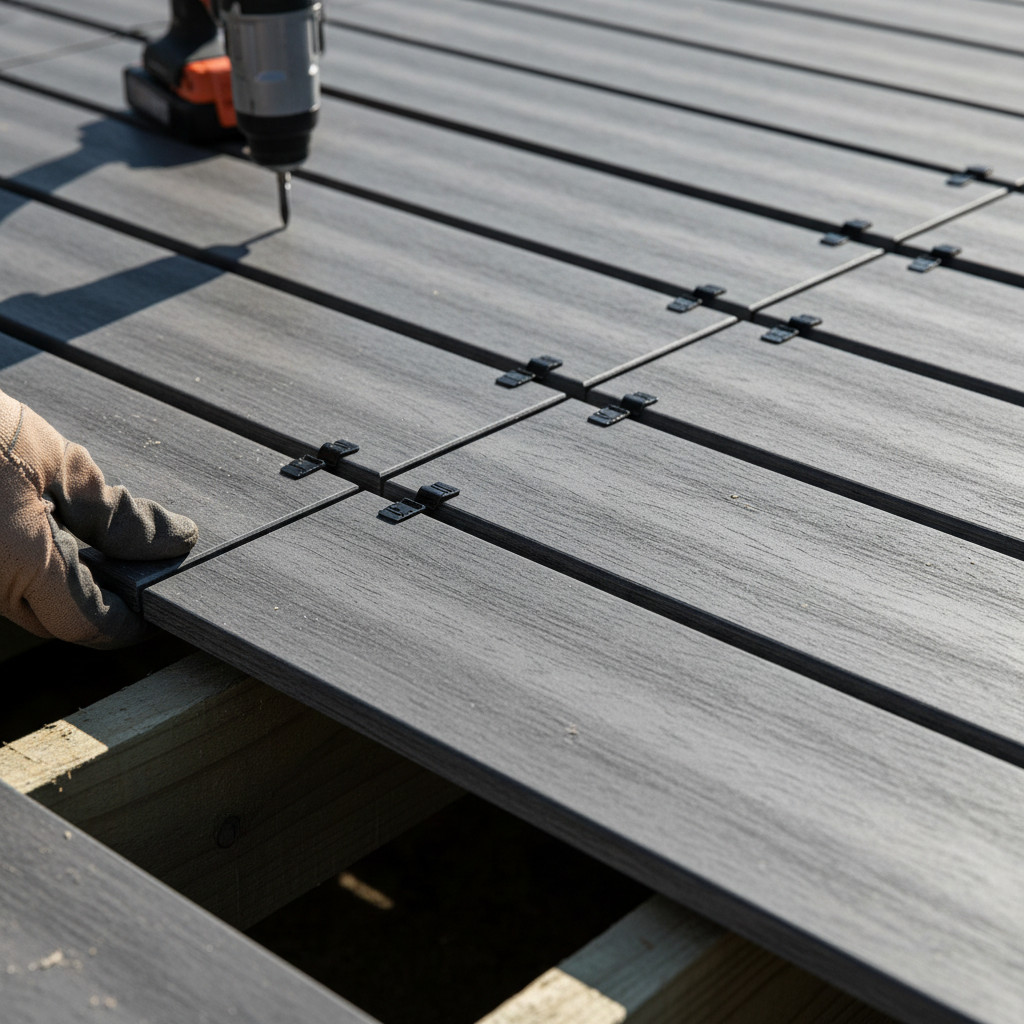
Phase 03 · Decking Surface
Composite install · Tigard, OR
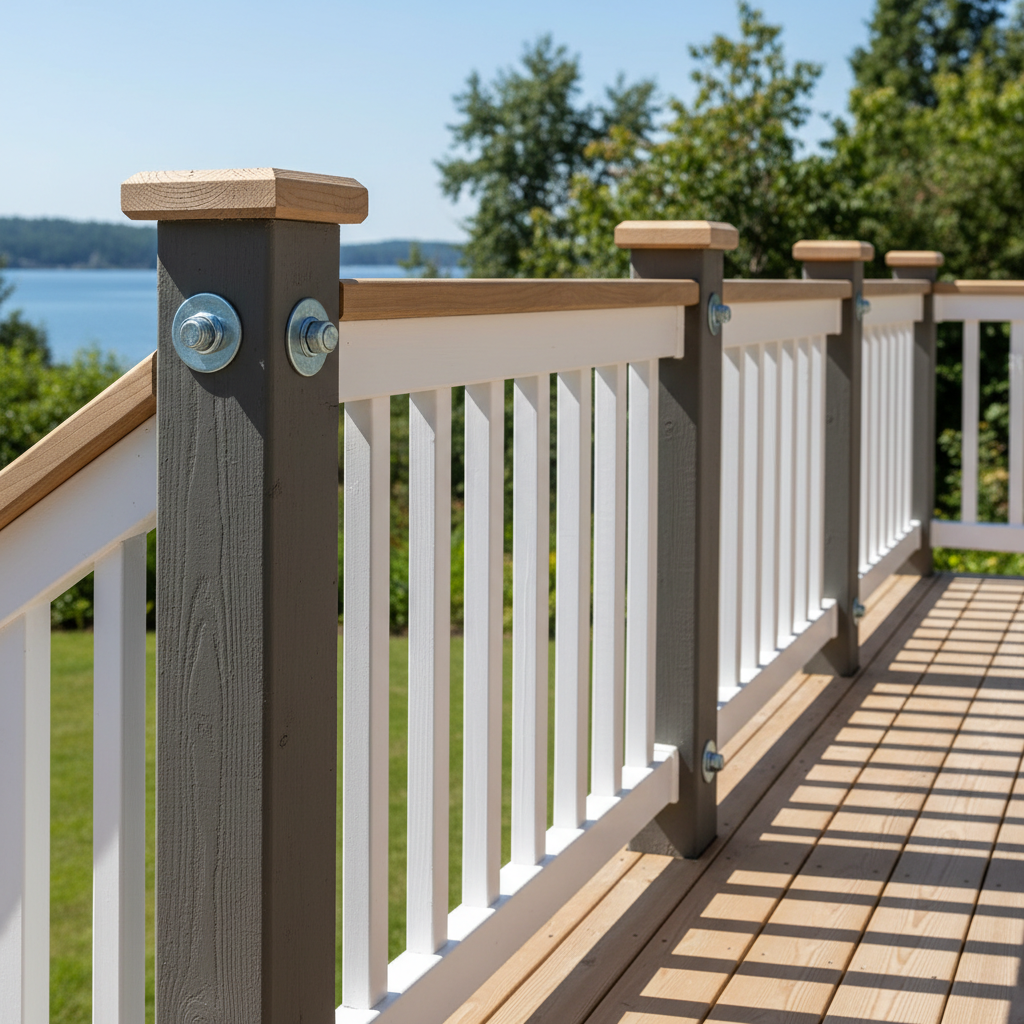
Railings that pass before the inspector's truck pulls up.
IRC requires 36-inch guards on decks less than 30 inches above grade, 42 inches above that. Balusters must be spaced so a 4-inch sphere can't pass through — that's the "4-inch rule" that keeps toddlers from getting their head stuck. We use a go/no-go gauge on every single baluster bay. Post bases get through-bolted to the rim joist, not surface-mounted with lag screws. If you want glass panels, cable rail, or aluminum — we install all three and know the code for each.
- 36" guard height under 30" above grade, 42" above.
- 4-inch baluster spacing checked with go/no-go gauge.
- Post bases through-bolted, not lag-screwed to surface.
- Top rail graspable per IRC — 1.25"–2" round or compliant profile.
Phase 04 · Railing & Code
Railing install · West Linn, OR
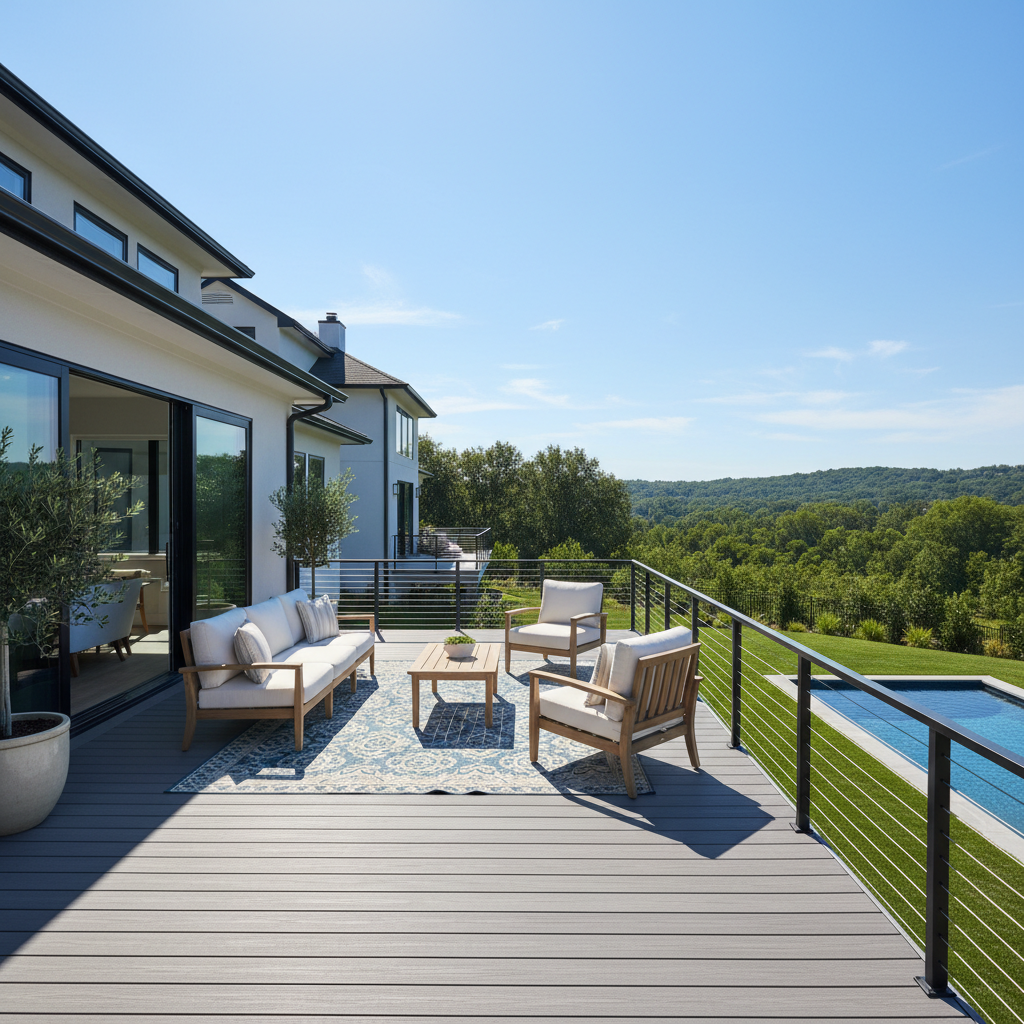
The final walk — we don't leave until it's right.
After decking and railing, we do a full punch list before calling for inspection: every fastener checked, every cut end sealed on pressure-treated, every baluster bay measured, every post cap tight. We schedule the inspection and we're on-site for it. If the inspector marks anything — which is rare because we know the code — we fix it same day. You get a digital copy of your passed inspection card before we invoice the final payment. That card follows the house.
- Full punch list before inspection call.
- Cut ends on pressure-treated sealed with copper naphthenate.
- On-site during inspection — we answer questions directly.
- Digital inspection card delivered before final invoice.
Phase 05 · Finishing & Inspection
Project complete · Sherwood, OR
Composite vs. Pressure-Treated.
The honest comparison.
We install both. Here's the real breakdown — not a sales pitch. Choose what fits your budget, your lifestyle, and how much time you want to spend on maintenance.
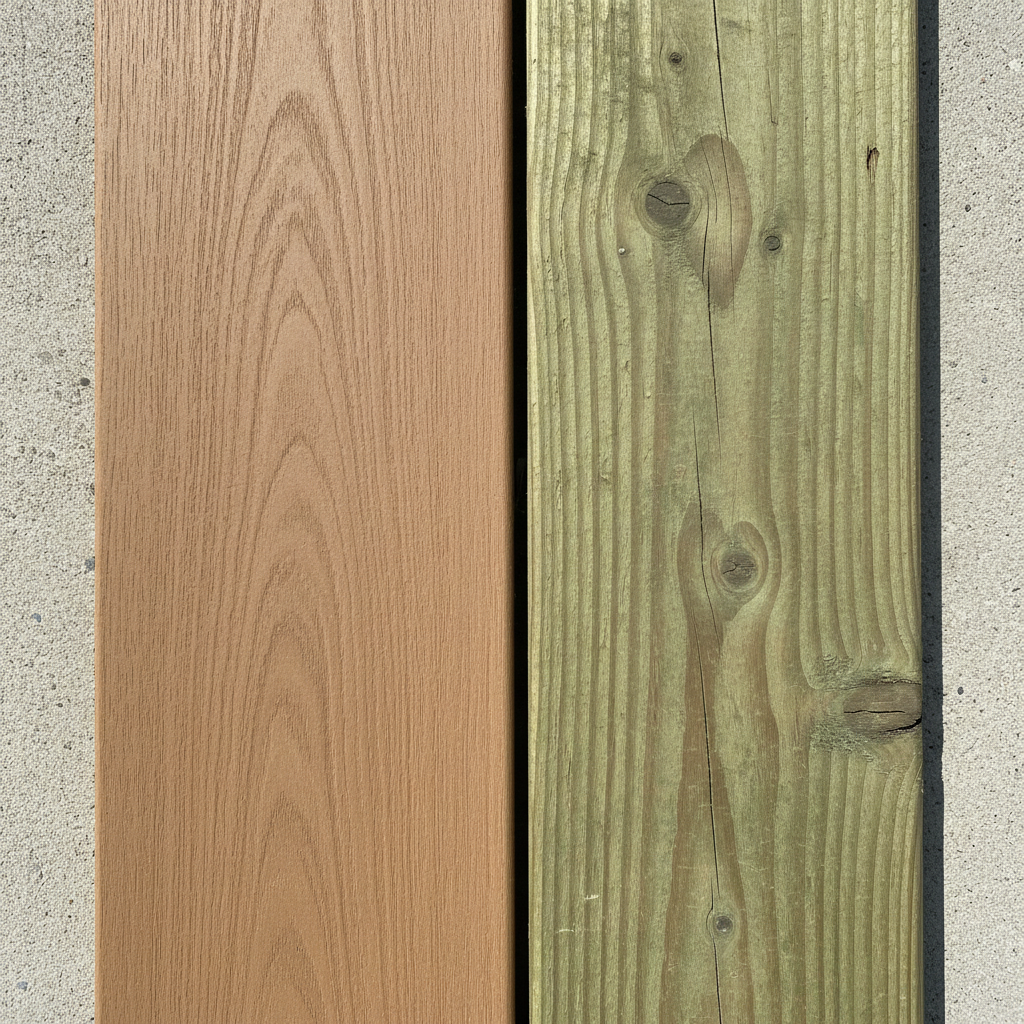
Composite
Trex / TimberTech / Fiberon
Pressure-Treated
ACQ / CA-B treated pine
Our honest take: For families with kids under 10 or homeowners who want zero maintenance, composite pays for itself in year 4. For a vacation property or someone who enjoys the annual ritual of oiling their deck, pressure-treated is a perfectly good choice. We'll tell you which makes more sense for your situation during the free walkthrough.
Three clients. Three situations.
One standard of work.
The rotting inheritance. The new build with dirt. The retiree who wants splinter-free and done. These are the three clients we build for most — and what they said afterward.
“We bought the house with a deck that had soft spots in three places and a railing that wobbled if you leaned on it. The crew walked us through exactly what was rotted and why before they quoted a single dollar. We replaced the whole thing — composite, new footings, cable rail — and it passed inspection first visit. The before/after is embarrassing.”

Margaret Holloway
Homeowner · Bought 2019
Full deck replacement, 380 sq ft composite
“New construction, dirt yard, sliding door to nothing. We closed in March and had a 16x20 treated deck with stairs by Memorial Day weekend. They pulled the permit, coordinated with our HOA, and the framing photos they sent while we were at work were legitimately satisfying. The Weber has a home now.”

Derek and Priya Nakamura
New construction · Closed March 2025
New build 16×20 PT deck with stairs
“I'm 68, retired, and I wanted one thing: a level surface the grandkids could run on without getting a splinter. They recommended composite for that exact reason, explained the difference in cost vs. maintenance over ten years, and didn't try to upsell me on anything. The deck is three years old now and looks exactly the same as the day they finished.”

Robert Carver
Retiree · 3 years post-install
Composite replacement deck, 240 sq ft
340+
Decks completed
4.9
Average rating
100%
Pass rate, first inspection
12yr
Average crew tenure
Schedule your free deck walkthrough.
We come to you, walk the site, and give you a written scope and ballpark before we ask for anything. No commitment, no pressure, no follow-up calls unless you want them.
Schedule Your Free Walkthrough
Takes 90 seconds to fill out
What happens at the walkthrough
- We walk the site — footings to fascia — and note what's there or what's needed.
- You get a written scope on-site: what the work involves, phase by phase.
- Ballpark range before we leave. Firm quote within 48 hours.
- No follow-up pressure. If you call us, great. If not, no hard feelings.
Deck Buyer's Checklist
One page. 23 questions to ask any deck builder before you sign anything. Free in exchange for your email.
No spam. One email with the PDF. Unsubscribe any time.